
Panduan Nutrisi untuk Pencegahan Penyakit Prostat
Pelajari strategi nutrisi berbasis sains untuk menjaga kesehatan prostat seumur hidup Anda. Informasi terpercaya dari para ahli gizi dan kesehatan pria Indonesia.
Mengapa Nutrisi untuk Prostat Penting
Kesehatan Jangka Panjang
Nutrisi yang tepat mendukung fungsi prostat optimal seiring bertambahnya usia Anda.
Penelitian Terbukti
Ribuan studi menunjukkan hubungan langsung antara pola makan dan kesehatan prostat pria.
Bahan Alami
Fokus pada makanan utuh dan natural tanpa efek samping berbahaya.
Hasil Terukur
Monitoring kesehatan dan evaluasi berkala untuk melihat perbaikan nyata.
Nutrisi Penting untuk Prostat Sehat
Nutrisi spesifik telah terbukti mendukung kesehatan prostat. Pelajari mana yang paling penting dan bagaimana mengintegrasikannya ke dalam diet harian Anda.
Likopen
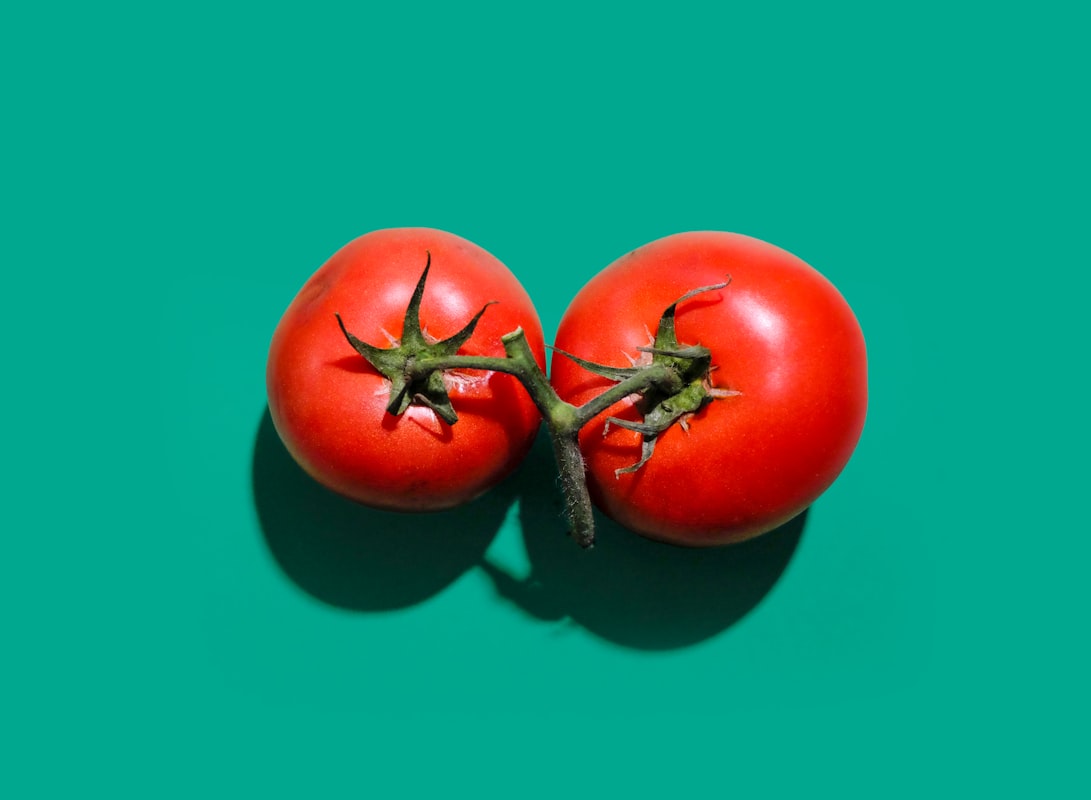
Antioksidan kuat yang ditemukan dalam tomat merah, pepaya, dan semangka. Likopen telah dikaitkan dengan penurunan risiko kanker prostat dalam berbagai penelitian prospektif.
- Tomat segar dan saos tomat
- Semangka dan pepaya merah
- Konsumsi 2-3 porsi sehari
Selenium
Mineral esensial yang bekerja sebagai antioksidan untuk melindungi sel prostat dari kerusakan. Selenium memainkan peran penting dalam fungsi enzim antioksidan tubuh.
- Kacang Brazil (2-3 butir per hari)
- Telur dan ikan
- Roti gandum utuh
Seng (Zinc)
Mineral krusial untuk fungsi reproduksi pria dan kesehatan prostat. Seng membantu mengatur pertumbuhan sel dan mendukung sistem kekebalan tubuh.
- Tiram dan kerang
- Daging sapi rendah lemak
- Kacang-kacangan dan biji-bijian
Fitosterol
Senyawa tumbuhan yang meniru struktur kolesterol dan membantu menjaga kesehatan prostat. Fitosterol mengurangi gejala prostat yang membesar dan mendukung aliran urin normal.
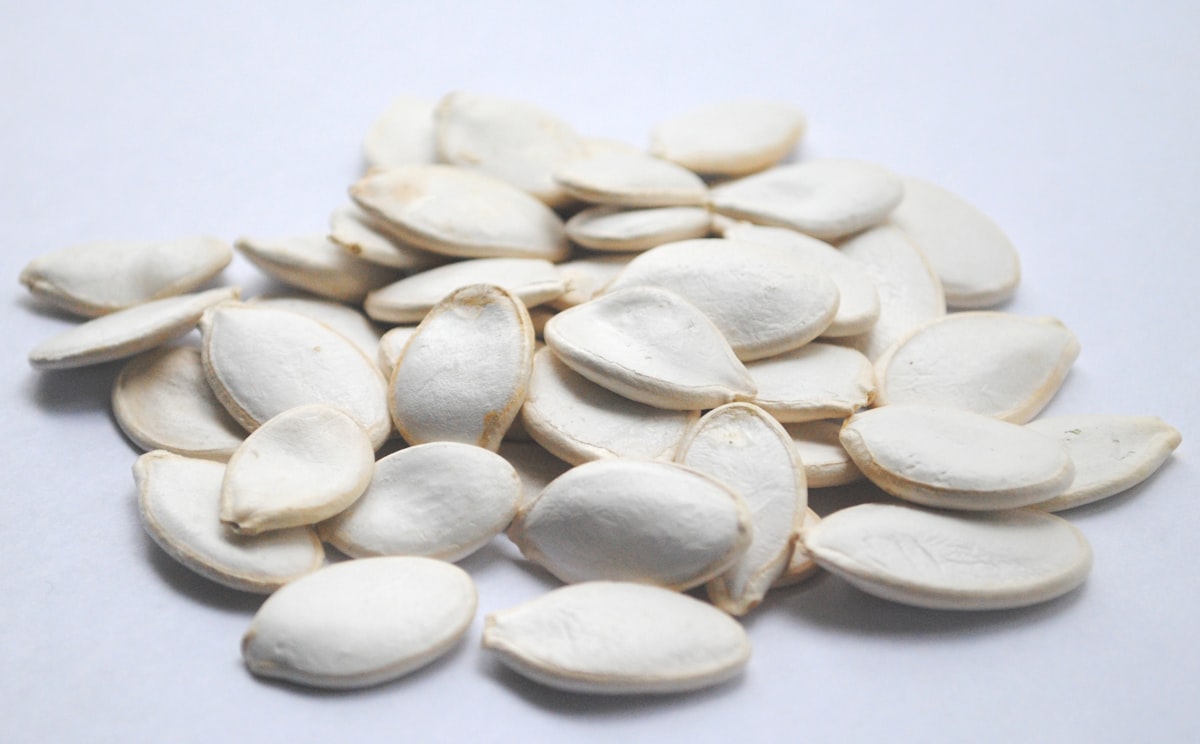
- Biji labu dan biji bunga matahari
- Minyak sayuran alami
- Gandum utuh dan legum
Isoflavon
Fitoestrogen yang ditemukan dalam kedelai dan produk turunannya. Penelitian menunjukkan isoflavon dapat membantu menjaga kesehatan prostat pada pria dewasa.
- Tahu dan tempe organik
- Susu kedelai tanpa gula
- Edamame dan miso
Omega-3
Asam lemak esensial yang mengurangi peradangan dan mendukung kesehatan kardiovaskular. Omega-3 juga berperan dalam menjaga keseimbangan hormon prostat.
- Ikan salmon dan mackerel
- Biji rami dan chia
- Kenari dan almond
Mengapa Memilih Panduan Nutrisi Pencegahan Prostat?
Kami adalah sumber informasi terdepan tentang nutrisi dan kesehatan prostat di Indonesia. Tim editorial kami terdiri dari ahli gizi bersertifikat, dokter spesialis urologi, dan peneliti kesehatan yang berkomitmen untuk memberikan informasi akurat dan terkini.
Informasi Berbasis Bukti Ilmiah
Setiap artikel dan panduan dirujuk dari penelitian peer-reviewed dan sumber medis terpercaya internasional.
Panduan Praktis dan Mudah Diterapkan
Kami menyajikan informasi kompleks dalam bahasa yang sederhana dengan tips praktis untuk kehidupan sehari-hari.
Diperbarui Secara Berkala
Konten kami selalu diperbarui mengikuti penelitian dan perkembangan medis terbaru di bidang kesehatan prostat.
Dukungan Komunitas Aktif
Bergabunglah dengan ribuan pembaca yang telah meningkatkan kesehatan prostat mereka melalui panduan kami.
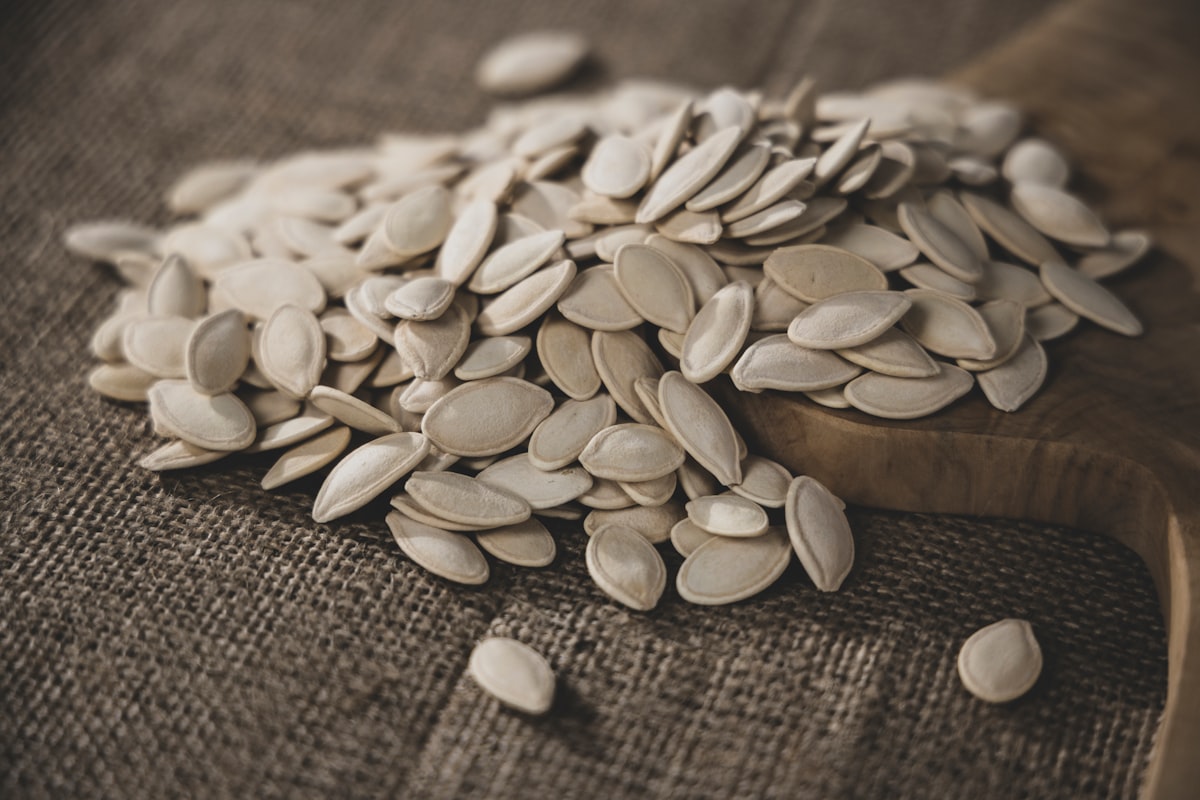
Fakta: Pria yang menerapkan pola makan sehat kaya nutrisi prostat menunjukkan peningkatan kesehatan yang signifikan dalam 3-6 bulan.
Artikel dan Panduan Terbaru
Jelajahi koleksi artikel mendalam tentang nutrisi, gaya hidup sehat, dan pencegahan masalah prostat.
Diet Mediterania untuk Kesehatan Prostat
Pelajari bagaimana pola makan Mediterania yang kaya minyak zaitun, ikan, dan sayuran dapat mendukung kesehatan prostat jangka panjang.
Olahraga Rutin dan Kesehatan Prostat
Temukan jenis olahraga terbaik yang telah terbukti meningkatkan fungsi prostat dan kesehatan umum pria dewasa.
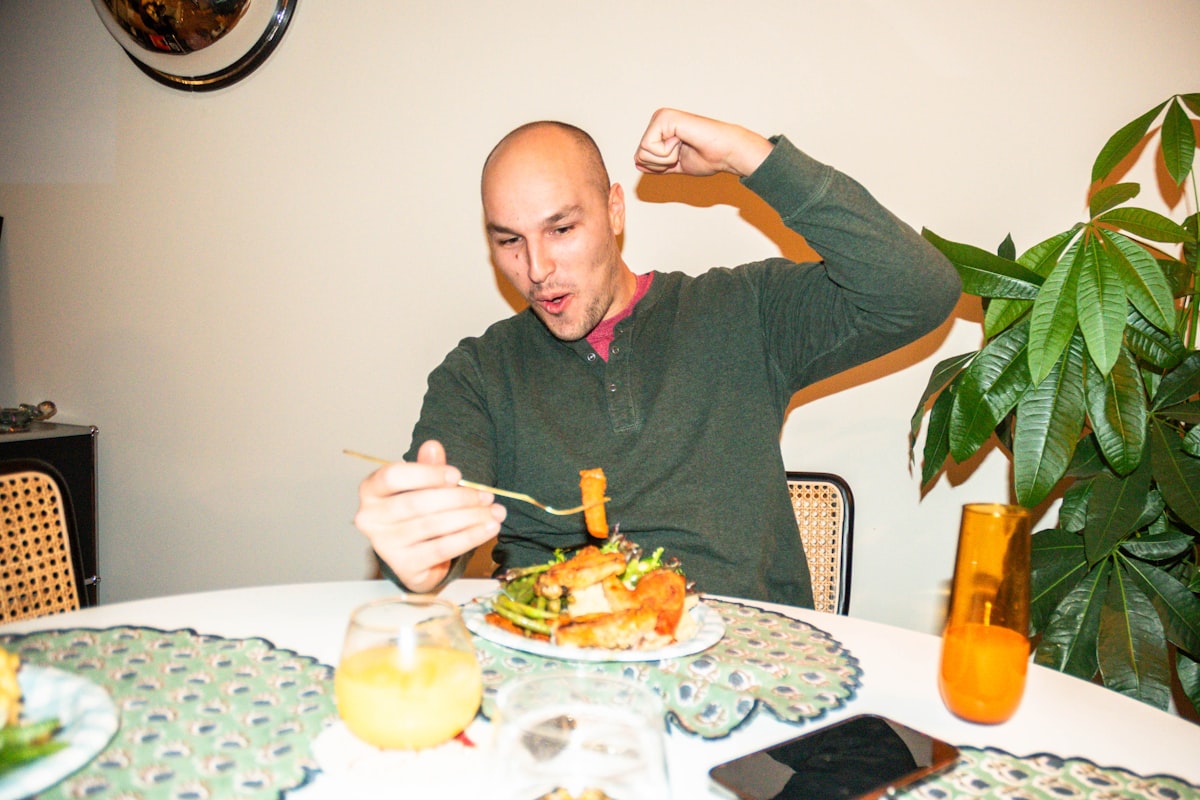
Mengatasi Gejala Prostat dengan Nutrisi
Panduan komprehensif untuk memilih makanan yang mengurangi gejala seperti frekuensi buang air kecil dan ketidaknyamanan.
Langkah-Langkah Program Nutrisi Pencegahan
Ikuti panduan kami yang telah terbukti untuk meningkatkan kesehatan prostat secara bertahap dan berkelanjutan.
Penilaian Awal
Evaluasi pola makan saat ini dan kebiasaan gaya hidup Anda untuk memahami kebutuhan nutrisi spesifik.
Perencanaan Nutrisi
Buat rencana makan yang dipersonalisasi dengan fokus pada nutrisi penting untuk prostat sehat.
Implementasi Praktis
Mulai menerapkan perubahan pola makan dengan resep mudah dan tips belanja yang efisien.
Monitoring & Penyesuaian
Pantau kemajuan Anda dan sesuaikan rencana nutrisi berdasarkan respons dan hasil kesehatan Anda.
Kisah Nyata dari Pembaca Kami
Dengarkan pengalaman langsung dari pria yang telah meningkatkan kesehatan prostat mereka melalui panduan nutrisi kami.
"Panduan ini benar-benar mengubah pendekatan saya terhadap nutrisi. Dalam tiga bulan pertama, saya melihat perbaikan signifikan dalam gejala prostat saya. Resep yang diberikan sangat mudah untuk diikuti dan rasanya lezat. Terima kasih telah memberikan informasi yang akurat dan praktis!"
Deni Wijaya
Jakarta, Indonesia
"Saya berusia 58 tahun dan mulai khawatir tentang kesehatan prostat. Panduan ini memberikan penjelasan yang sangat komprehensif namun mudah dipahami. Informasi tentang nutrisi spesifik sangat membantu saya membuat keputusan yang lebih baik setiap hari. Saya merekomendasikan ini kepada semua teman dan keluarga saya."
Rianto Hartono
Surabaya, Indonesia
"Saya menghargai pendekatan berbasis bukti ilmiah dalam panduan ini. Konten sangat didokumentasikan dengan baik dan dirujuk dari penelitian terpercaya. Saya sekarang merekomendasikan situs ini kepada pasien saya yang mencari informasi kesehatan prostat yang dapat dipercaya."
Bambang Setiyono, dr.
Bandung, Indonesia
Pertanyaan Umum tentang Pencegahan Prostat
Temukan jawaban atas pertanyaan yang paling sering diajukan tentang nutrisi dan kesehatan prostat.
Idealnya, pria harus mulai memperhatikan kesehatan prostat mereka sejak berusia 40 tahun, terutama jika ada riwayat keluarga penyakit prostat. Namun, memulai gaya hidup sehat dan nutrisi yang tepat pada usia lebih muda hanya memberikan manfaat tambahan untuk kesehatan jangka panjang.
Nutrisi adalah komponen penting tetapi bukan satu-satunya faktor. Pencegahan prostat yang optimal membutuhkan kombinasi pola makan sehat, olahraga teratur, manajemen berat badan, dan pemeriksaan kesehatan berkala. Panduan kami mencakup semua aspek ini untuk hasil maksimal.
Konsistensi dalam menerapkan pola makan sehat dapat mendukung kesehatan prostat seiring waktu.-6 minggu, sementara yang lain membutuhkan waktu 8-12 minggu untuk merasakan perubahan signifikan. Konsisten insisten dengan rencana nutrisi Anda adalah kunci untuk hasil optimal.
Tidak selalu. Makanan utuh adalah sumber nutrisi terbaik. Namun, beberapa pria mungkin memerlukan suplemen untuk nutrisi tertentu jika diet mereka memiliki kekurangan. Konsultasikan dengan profesional kesehatan untuk rekomendasi personal.
Ya, nutrisi yang tepat dapat membantu mengelola gejala prostat. Makanan anti-inflamasi dan suplemen tertentu telah menunjukkan hasil yang menjanjikan dalam studi ilmiah. Namun, selalu konsultasikan dengan dokter Anda sebelum membuat perubahan besar.
Kisah Sukses dari Pelanggan Kami
Dengarkan bagaimana Panduan Nutrisi Prostat telah mengubah kehidupan ribuan pria
"Setelah mengikuti panduan ini selama 8 minggu, saya merasa luar biasa. Energi saya meningkat, dan gejala yang mengganggu hilang. Saya sangat merekomendasikan ini kepada semua teman saya."
Rudi Hartono
Jakarta, Indonesia
"Saya sangat terkesan dengan detail dan penjelasan ilmiah dalam panduan ini. Bukan hanya nasihat, tetapi pengetahuan mendalam tentang kesehatan prostat saya. Investasi terbaik untuk kesehatan saya!"
Bambang Pratama
Surabaya, Indonesia
"Dokter saya bahkan terkejut dengan hasil pemeriksaan terbaru saya. Panduan ini mudah diikuti dan hasilnya nyata. Terima kasih telah membantu saya hidup lebih sehat!"
Adi Wijaya
Bandung, Indonesia
Ambil Langkah Pertama Menuju Kesehatan Prostat yang Lebih Baik
Dapatkan akses ke Panduan Nutrisi Prostat lengkap kami dan mulai perjalanan transformasi kesehatan Anda hari ini.
Garansi uang kembali 100% - Tidak puas? Kami kembalikan dana Anda sepenuhnya.
Nutrition Prostate Guide
Panduan nutrisi komprehensif untuk kesehatan prostat yang optimal dan kehidupan yang lebih baik.
Informasi
© 2026 Nutrition Prostate Guide. Semua hak dilindungi. | Dibuat dengan untuk kesehatan Anda.